BPC-157 Dosage Guide — Research-Based Reference for 2026
BPC-157 dosage data from published studies. Dose charts reconstitution math vendor pricing and what the research actually shows — not personal advice.
Index
Current top picks
Prices and ratings come from the merchant pages.
What we look at
Third-party testing
We look for a batch-level certificate of analysis published by the merchant.
Stated purity and fill
Purity percentage and milligrams per vial as stated on the product page.
Labeling and storage info
Clear research-use labeling, lot numbers and storage instructions.
Cost per milligram
Vials compared on price per milligram, not on sticker price.
The BPC-157 dosage is one of the most popular topics related to peptides, yet no definitive dosage approved by any regulatory authority is known at present. All dosages of BPC-157 provided by various forums and vendors are based on only a few rodent studies published over the last thirty years. We decided to summarize the aforementioned dosages in this document, explain where each dose came from, and show that it is not so easy to convert a study on rats to studies on humans.
BPC-157 Dosage in 2026 - What Published Research Reports
Produced from a piece of a certain protein found in human gastric juice, BPC-157 is a man-made pentadecapeptide. Scientists have tested it in rats with tendon injury, cut ligaments, crushed muscle, and gastric ulcers. The doses applied in such trials should be understood as what they are: doses that were studied but that do not have clinical significance. The difference between the two must be understood in order to interpret any chart or calculator correctly.
Why There Is No Established Human Dose
The U.S. Food and Drug Administration has yet to authorize any application of BPC-157 in humans. Phase I, II, or III trials are yet to show any relationship between doses and effects in humans. An entry in ClinicalTrials.gov calls BPC-157's name; however, no studies with human dosing data have appeared in peer-reviewed journals by October 2026. Anyone claiming to have the "optimal" dose for humans is basing their assertions on animal studies or personal experiences with BPC-157.
Rodent Studies That Shape the Conversation
Most of the discourse surrounding the dosing of BPC-157 references work done by Sikiric and colleagues from the University of Zagreb. This group has published most of the preclinical studies since the early ‘90s. The doses given in their studies generally belong to the two categories: 10 mcg per kg of body weight and 10 ng/kg of body weight. The method of administering BPC-157 includes intraperitoneal injection, local injection to the site of injury or oral gavage. Duration of the studies ranged from a single acute dose to 14 consecutive days. Specific figures are given in the table below.
BPC-157 Dosage Chart - Study Data at a Glance
The data in the table below was collated from rat studies published in peer-reviewed journals. Each row feature its citation from PubMed, where you can check the numbers directly. It is the only BPC-157 dosage chart that limits itself to peer-reviewed sources.
| Study | Species | Model | Dose | Route | Duration | PMID |
|---|---|---|---|---|---|---|
| Staresinic et al. 2003 | Rat | Achilles tendon transection | 10 mcg/kg | IP | 14 days | 14554208 |
| Cerovecki et al. 2010 | Rat | MCL healing | 10 mcg/kg and 10 ng/kg | IP + PO + topical | Up to 90 days | 20225319 |
| Sikiric et al. 1999 | Rat | Gastric cytoprotection | 10 mcg/kg | PO and IP | Acute + multi-day | 9920181 |
| Sikiric et al. 1993 | Rat | Anti-ulcer dose-response | Dose-response series (IP) | IP | Acute | 8298609 |
| Brcic et al. 2009 | Rat | Muscle/tendon angiogenesis | 10 mcg/kg | IP | Multi-day | 20388964 |
| Chang et al. 2011 | Rat | MCL transection | 10 mcg/kg | Local injection | Multi-day | 21030672 |
Subcutaneous Doses in Rat Models
Although subcutaneous injection is the most talked-about route in the peptide forums, most of the available literature on rats uses IP. IP involves an injection into the peritoneal cavity, which has a different pharmacokinetic profile than subcutaneous injections. Cerovecki et al. (PMID 20225319) used both 10 mcg/kg and 10 ng/kg dosages and reported an improvement in mechanical properties with the higher dosage. Injection into the local wound site does not fit the procedure of self-injection well, as seen in Chang et al.'s ligament study.
Oral Doses in Rat and Mouse Studies
The dosing of the BPC-157 component is thoroughly discussed in the literature on gastroprotection. Sikiric et al. 1999 (PMID 9920181) administered 10 mcg/kg by oral gavage and by IP injection in the same study design, reporting protective effects on rat gastric mucosa via both routes. Sikiric et al. 2018 (PMID 29879879) surveys the broader evidence and notes oral activity across multiple models.
How Reconstitution Math Works
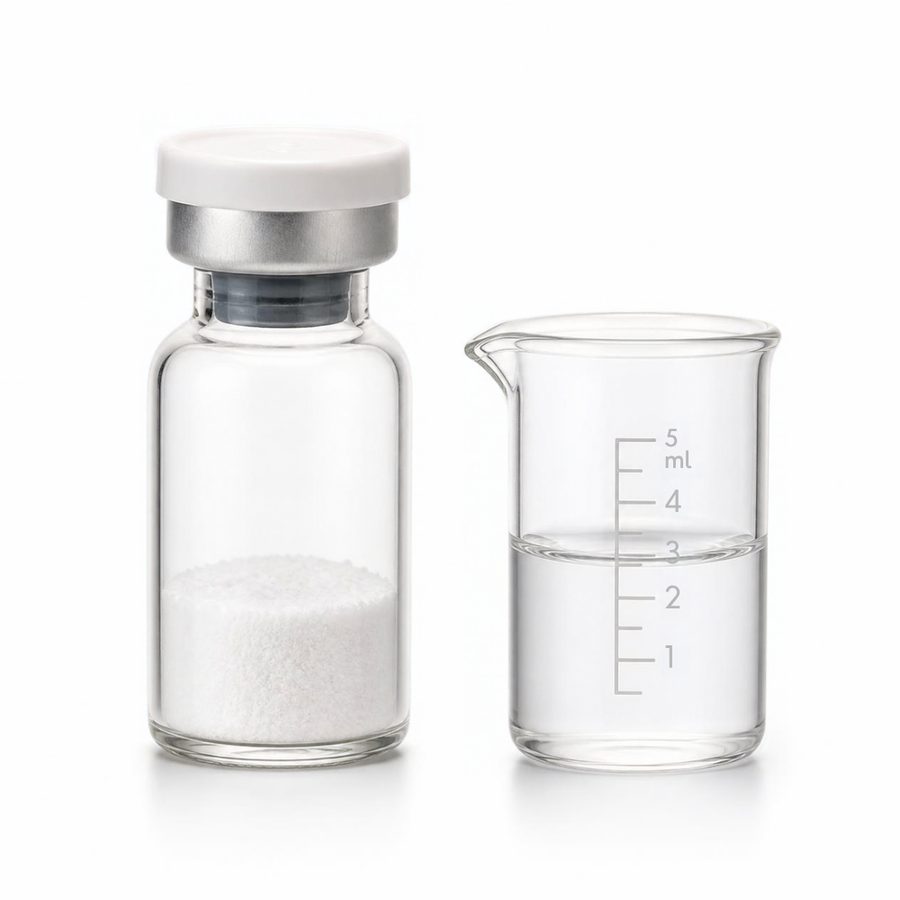
When a scientist buys lyophilized BPC-157 vials, he must always add the bacteriostatic water for the administration. It's the water used that defines the concentration, and it's the concentration that defines how many units will the syringe have for a particular microgram dose.
Milligrams, Micrograms, and Syringe Units
One milligram is equivalent to 1,000 micrograms. In general, an ordinary insulin syringe bears a volume of 1 mL that has been divided into 100 units, where one unit is equal to 0.01 mL. When you add 2 mL of bacteriostatic water to the 5 mg vial, you will get 2,500 mcg of concentration in 1 mL, or 25 mcg per unit. This conversion is just the mathematics and does not give any instructions on how the drug should be applied.
Concentration Formula Walkthrough
The concentration formula is: Concentration (mcg/mL) = Total peptide (mcg) divided by Total water (mL). In the case of a 10 mg vial reconstituted in 2 mL of bacteriostatic water, therefore: 10,000 mcg divided by 2 mL = 5,000 mcg/mL. Hence, every 0.01 mL syringe unit will have 50 mcg of peptide within it. Our peptide reconstitution calculator performs this math automatically for any vial size and water volume.
Comparing BPC-157 Sources by Price Per mg
The price varies widely among vendors. Vial sizes also vary, so the best metric for comparison is the price per milligram peptide. The retail prices were obtained from two vendors that are often mentioned in peptide communities.
PeptideGod vs Real Peptides - 2026 Pricing
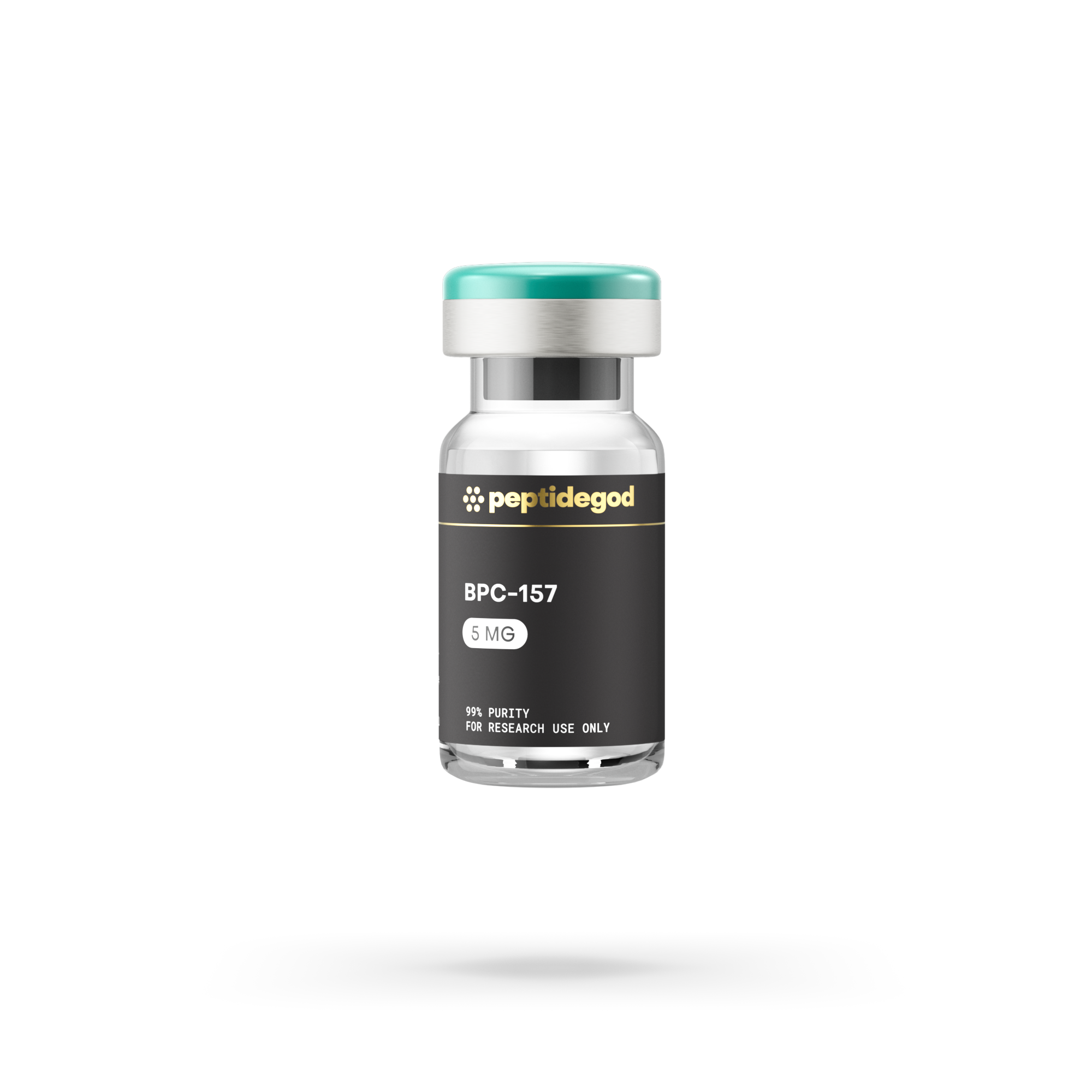
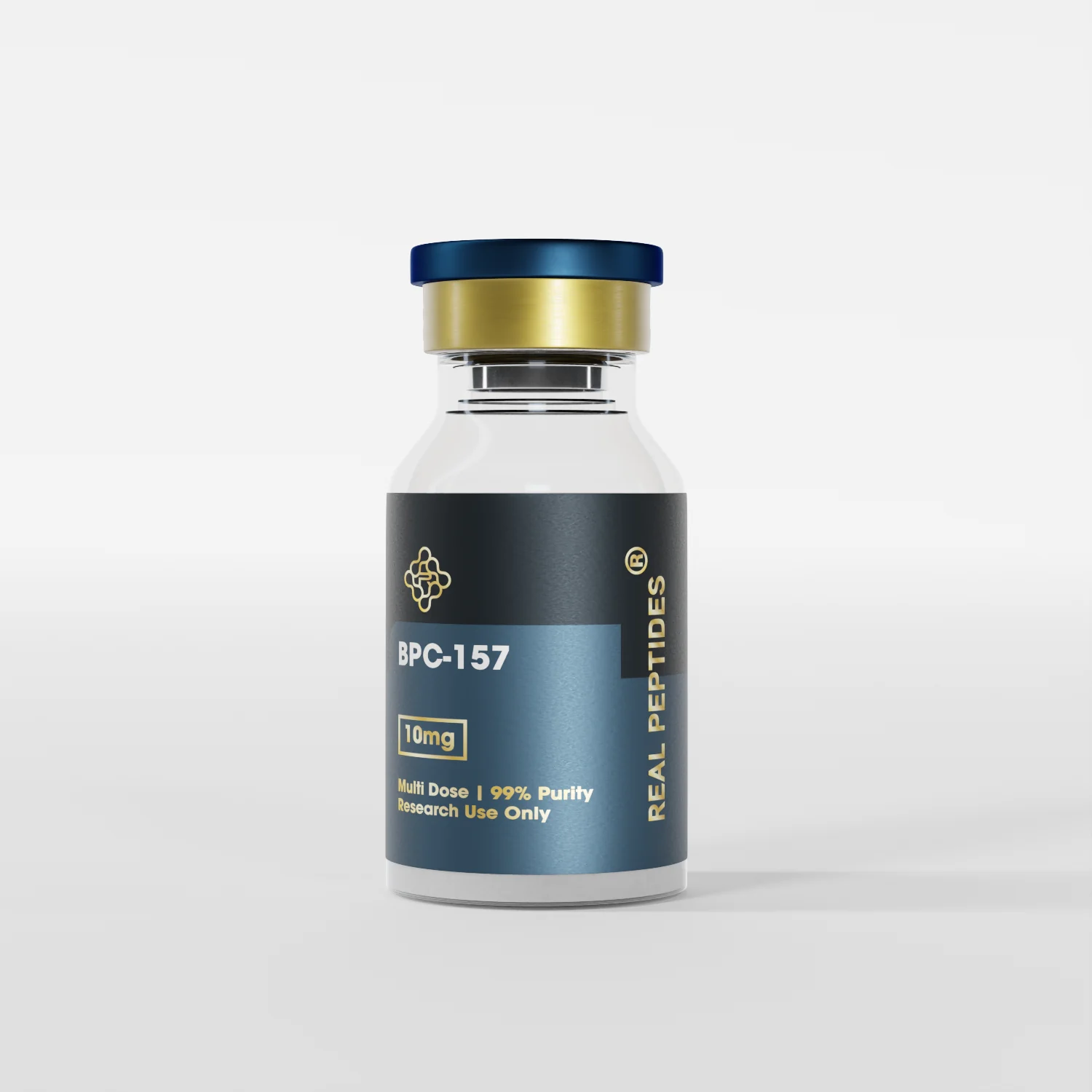
The pricing for BPC-157 at PeptideGod is set at $34.95 per vial. The quantity is absent from the product information, and no analytical report is available. The same product by Real Peptides is priced at $43.20, providing 10 mg of BPC-157 that possesses HPLC purity greater than 99% and so can be verified with a certificate of analysis provided on the site. More so, the company claims that mass spectrometry tests confirmed the results. While it is impossible to make a complete comparison between the costs charged by PeptideGod and Real Peptides only by looking at the price per mg of the peptide, the raw price alone cannot be sufficient since the purity of BPC-157 available from PeptideGod is yet to be known for a proper calculation.
Another product is a combination of BPC-157 and TB-500 offered for $59.95 by PeptideGod. Blended peptide products raise even more questions related to the amount and stability of the peptides that were blended. For detailed comparison, please go and check out our best BPC-157 page.
What the Research Does Not Show
If you focus solely on what the studies say, you could develop an undeserved sense of confidence. The holes in the evidence base are equally vital to understand.
No Human Trials With Dose-Response Data
As of now, there are no human clinical trials in the literature that compare different doses of BPC-157 to assess effectiveness and safety. Since dose-response data is an essential component of clinical pharmacology, it is worth noting BPC-157 dose-response data is totally absent in humans. The dosage of 10 mcg/kg determined in rodent studies is not validated in humans either.
Translation From Rodent to Human Is Not Linear
Allometric scaling equations have been derived to convert doses in animals into human- equivalent doses based on body form and size. More recently, the FDA published a guidance document on this subject employing the method of body surface area conversion, not weight-based calculation. So a dose of 10 mcg/kg in a rat cannot be equated with a dose of 10 mcg/kg in a human body. The difference in metabolic rate, making up a particular body weight and body shape, and distribution of organs must be remembered in this respect. We emphasized this point since there are a lot of posts discussing various protocols of BPC-157 on the internet, which miss this important information and simply use weight-based calculations for applying doses in rats to humans.
FAQ - BPC-157 Dosage
Is there an FDA-approved BPC-157 dose?
No. The BPC-157 has not obtained approval from the FDA for any medical purpose. In 2022, the FDA issued warning letters to companies marketing BPC-157 for human use. There is no approved dose, route, or duration.
How do researchers convert rodent doses?
The application of allometric scaling as a method in research depends on the surface area ratio of the body. An official guideline regarding this method has been issued by the FDA (Guidance for Industry: Estimating the Maximum Safe Starting Dose in Initial Clinical Trials for Therapeutics in Adult Healthy Volunteers). Typically, the factor that converts the dose given to a rat to the amount that must be given to a human is around 6.2, meaning the dose that can be given to a person is around 1/6.2 of the rat dose. It is necessary to understand that this information is for reference only.
What is BPC-157 sold as?
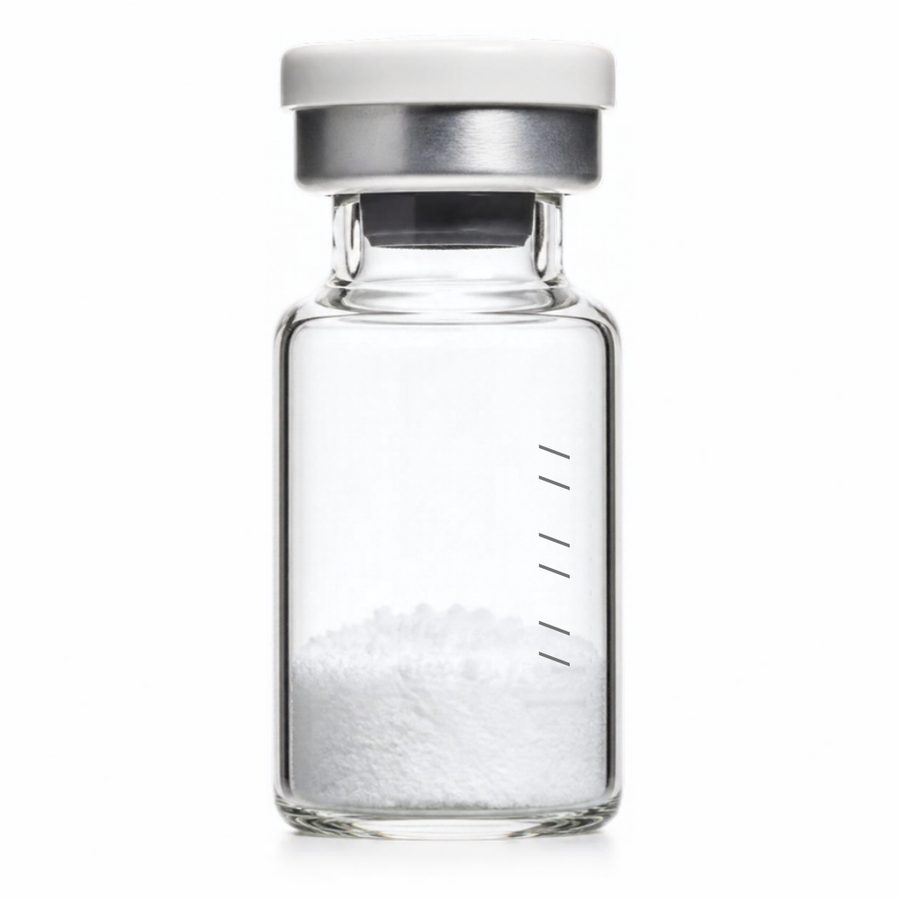
BPC-157 is sold as a lyophilized (freeze-dried) powder in glass vials, typically labeled "for research use only." Some vendors also sell oral capsules. It is classified as a research chemical, not a dietary supplement or pharmaceutical. The World Anti-Doping Agency lists BPC-157 under the S0 category of non-approved substances.
Where can I read the original studies?
All the studies mentioned in this page can be found at PubMed. Find the PMID numbers on our dosage table above. The article by Sikiric et al., published in 2018 (PMID 29879879), is a good point of departure since it mentions many previous works.
BPC-157 remains an unapproved research compound. Nothing on this page constitutes medical advice or a dosing recommendation. Anyone considering any peptide should consult a licensed physician and review the primary literature themselves. All products discussed here are sold for laboratory research use only.
From the blog
BPC-157 Oral vs Injection — Routes Compared
BPC-157 oral vs injection routes compared from published research. Bioavailability, study doses, and what each route was tested for in animals.
BPC-157 Half Life — What Research Shows
BPC-157 half life data from available research. What limited pharmacokinetic studies suggest and why precise human half life is still unknown.
BPC-157 Reconstitution — Step-by-Step Math
Step-by-step BPC-157 reconstitution guide. Bacteriostatic water volumes, concentration math, and syringe reading explained with worked examples.
Reviewed by our experts
Every guide and ranking on this site is checked by a named reviewer before it is published.